

Introduction
In high-risk industries such as oil and gas, the margin for error is extremely low. A single poor hiring decision can lead to safety incidents, operational disruptions, regulatory penalties, and reputational damage. As operations become more complex and the pressure to deliver results intensifies, organisations are taking a closer look at how they evaluate and onboard talent.
One area gaining increasing attention is the background check process. No longer seen as a routine administrative step, a thorough background check has become a critical risk management tool. It provides organisations with the confidence that the individuals they are bringing into their workforce are qualified, credible, and aligned with the organisation’s standards.
In this context, strengthening the background check process is no longer optional, it is essential for operational integrity and long-term sustainability.
What Is a Background Check?
A background check is a structured verification process used by organisations to confirm the accuracy, authenticity, and integrity of an individual’s information,whether at the point of hire or during employment.
It goes beyond pre-employment screening and can also be applied to existing staff, especially for role changes, sensitive positions, or compliance requirements.
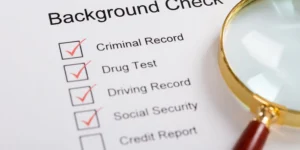
A comprehensive background check typically includes:
-
Educational qualification verification
-
Employment history validation
-
Professional certifications and licences
-
Identity verification
-
Criminal record checks (where applicable)
-
Reference checks
In the oil and gas sector, the background check process plays a broader role in maintaining workforce integrity, ensuring compliance, and reinforcing operational standards across the employee lifecycle.
5 Reasons Why Background Checks Are Becoming Critical
Below are five key reasons why background checks are becoming increasingly critical in high-risk industries like oil and gas:
1. Increasing Safety and Operational Risks
Oil and gas operations are inherently hazardous. From offshore drilling to refinery operations, employees work in environments where mistakes can have serious consequences.
A robust background check helps ensure that individuals have the required experience, certifications, and safety awareness to operate in such environments. It reduces the risk of placing underqualified or misrepresented individuals in critical roles.
2. Rising Incidents of Misrepresentation
There has been a noticeable increase in candidates exaggerating or falsifying credentials, including work experience, certifications, and technical expertise.
Without a proper background check, organisations may unknowingly hire individuals who lack the competence required for the role. This can lead to poor performance, increased supervision costs, and potential safety issues.
Verifying credentials through a structured background check process helps organisations maintain integrity in their hiring decisions.
3. Regulatory and Compliance Requirements
The oil and gas industry is heavily regulated, with strict compliance requirements related to safety, environmental standards, and operational practices.
Hiring individuals without proper verification can expose organisations to compliance risks and legal liabilities. A thorough background check ensures that employees meet regulatory standards and possess the necessary certifications to perform their roles.
4. Protection of Organisational Reputation
Reputation is a critical asset in the energy sector. Companies often operate through partnerships, joint ventures, and global supply chains, where credibility and trust are essential.
Employing individuals with questionable backgrounds can damage an organisation’s reputation and erode stakeholder confidence. Conducting a comprehensive background check helps protect the organisation’s brand and reinforces its commitment to professionalism and integrity.
5. Strengthening Workforce Quality and Performance
Beyond risk mitigation, background checks also contribute to overall workforce quality. When organisations consistently verify candidate information, they are more likely to hire individuals who are competent, reliable, and aligned with organisational expectations.
Overcoming Challenges in Background Checks
While background checks in the oil and gas sector come with some challenges, organisations can overcome these obstacles through strategic approaches and partnerships, ensuring that the process remains efficient, accurate, and compliant.
Organisations can overcome challenges in background checks through the following strategies:
1. Streamlining the Process
To address time and cost constraints, companies can partner with trusted third-party background check providers like Workforce Energies. By leveraging our automated and structured verification processes, organisations can speed up the background check process without sacrificing accuracy. This allows for quicker hiring while maintaining high standards of verification.
2. Ensuring Data Accuracy and Completeness
To mitigate the risk of incomplete or inaccurate information, we offers access to reliable data sources and advanced tools to cross-verify candidate details. By using a comprehensive range of checks including educational verification, employment history, and criminal background checks organisations can feel confident that the information provided is reliable and fully vetted.
3. Navigating Legal and Privacy Regulations
Legal compliance is critical when performing background checks. Workforce Energies ensures that all checks adhere to local and international data protection laws, such as GDPR, while providing clear, ethical guidelines for handling sensitive information. This reduces legal risks and ensures your organisation stays compliant, even in complex regulatory environments.
4. Maintaining Fairness and Transparency
A transparent background check process fosters trust and fairness. Workforce Energies helps organisations develop policies that ensure background checks are conducted consistently and without bias, aligning checks with the specific job requirements. This balanced approach ensures that all candidates are treated fairly, regardless of their backgrounds, while still protecting the organisation from potential risks.
Conclusion
Background checks have evolved from a routine administrative process into a strategic tool for managing risk and strengthening workforce quality in the oil and gas sector.
By verifying the accuracy of information, ensuring compliance with regulatory standards, and maintaining workforce integrity, organisations are better positioned to avoid costly errors and protect their operations.
As the industry continues to face increasing complexity and scrutiny, organisations that prioritise robust background check processes will not only reduce risk but also build a more credible, capable, and high-performing workforce.
How Workforce Energies Comes In
At Workforce Energies, we support organisations with comprehensive and industry-aligned background check solutions tailored to the realities of the oil and gas sector. Our approach combines structured verification processes, reliable data sources, and deep sector understanding to deliver accurate and timely results.
We support organisations across:
-
Pre-employment verification
-
Post-employment and continuous screening
-
Certification and licence validation
-
Employment and reference checks
-
Identity verification and due diligence
By partnering with Workforce Energies, organisations can strengthen their background check processes, reduce hiring and operational risks, and ensure workforce integrity at every level.
If your organisation is looking to strengthen its background check process and reduce risk exposure, kindly send an email to energy@workforcegroup.com to explore how we can support you.