

Introduction
Nigeria’s oil and gas industry is changing. Indigenous operators are taking on bigger roles, local companies are becoming more active across the value chain, and the demand for skilled Nigerian talent is becoming more urgent.
For many years, local content has been viewed mainly as a regulatory requirement. But today, oil and gas companies need to look beyond compliance and focus on building real local capability: the technical, operational, safety, and managerial competence required to deliver projects, maintain production, and support long-term energy growth.
This article delves into why oil and gas manpower support in Nigeria must move beyond simply increasing local participation to sourcing, deploying, managing, and supporting the right Nigerian talent to deliver sustainable value.
Understanding Local Content in the Oil and Gas Sector
Local content in the oil and gas sector refers to the deliberate participation of Nigerians, Nigerian companies, local suppliers, and domestic capabilities in oil and gas activities. In Nigeria, this has been strengthened by the Nigerian Oil and Gas Industry Content Development Act, which was established to increase Nigerian participation across the industry.
The progress is visible. According to the Nigerian Content Development and Monitoring Board, Nigerian content in the oil and gas sector reached 61% by the third quarter of 2025. Reports also show that the number of Nigerian oil operating companies has grown significantly since the implementation of local content policies.
However, local content should not stop at participation. It must translate into competence, productivity, and long-term industry capability. It is not enough to have Nigerians on a project if they are not properly equipped to deliver at the level the sector demands.
This is why the next phase of local content must focus on local capability.
What is Manpower Support?
Oil and gas manpower support is the structured provision and management of skilled personnel for companies operating across the energy value chain. It includes sourcing, screening, onboarding, deployment, payroll administration, compliance management, performance monitoring, and ongoing employee support.
In practical terms, it helps oil and gas companies access the right people for technical, operational, administrative, project, HSE, logistics, and support roles.
Unlike ordinary recruitment, manpower support goes beyond hiring. It ensures that workers are not only selected but also properly documented, managed, paid, monitored, and supported throughout their engagement.
This is particularly important in the oil and gas sector because the industry is sensitive to safety, compliance, technical competence, and operational continuity. A manpower gap can delay project delivery, weaken productivity, increase compliance exposure, and affect business performance.
For companies seeking reliable oil and gas manpower support in Nigeria, the goal is not just to fill roles. The goal is to build a dependable workforce structure that supports local content, strengthens execution, and reduces operational risk.
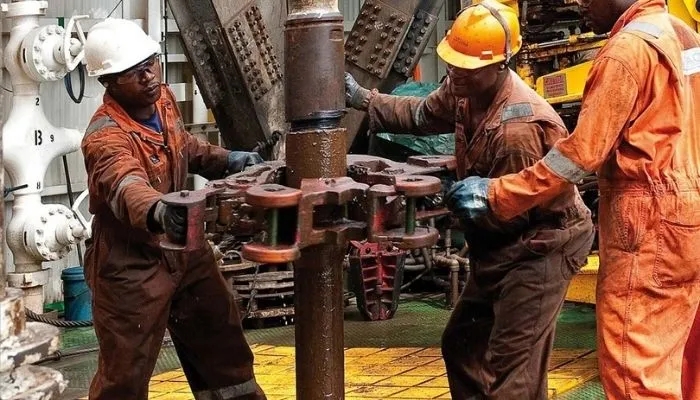
Why the Shift from Local Content to Local Capability Matters
The growth of indigenous participation in Nigeria’s oil and gas sector has created new opportunities and new responsibilities. Local firms are no longer playing only secondary roles. They are now acquiring assets, managing operations, investing in infrastructure, and contributing significantly to national production.
Reuters reported in 2025 that local companies now contribute over half of Nigeria’s total oil production, while several indigenous operators are making major investments to revive assets, increase production, and expand gas operations.
This shift means the industry needs more than local representation. It needs a workforce that can support asset management, production growth, safety performance, technical maintenance, project execution, and operational efficiency.
5 Strategic Importance of Manpower Support in the Oil and Gas Industry
Manpower support plays a critical role in helping oil and gas companies build a reliable, flexible, and competent workforce. Below are the five strategic ways manpower support strengthens performance, compliance, and operational continuity in the oil and gas industry.
1. It Helps Companies Access Skilled Talent Faster
Oil and gas operations often run on strict timelines. A delay in getting the right technician, HSE officer, field operator, maintenance personnel, or project support staff can affect production, project delivery, and operational stability.
Manpower support gives companies access to a ready pool of pre-screened and qualified talent. This reduces the time spent on sourcing, screening, documentation, onboarding, and mobilisation.
For a sector where speed, safety, and competence matter, this is a major advantage. Companies can respond faster to project demands, emergency staffing needs, field operations, shutdown activities, and expansion requirements.
2. It Supports Local Content Compliance and Capability Building
Local content compliance remains important in Nigeria’s oil and gas sector. Companies must demonstrate their commitment to Nigerian participation in employment, procurement, skills development, and project execution.
However, the real value comes when compliance becomes capability building.
A strong manpower support partner helps companies identify and deploy competent Nigerian talent while ensuring that documentation, statutory obligations, and workforce administration are properly managed.
This makes manpower outsourcing for oil and gas companies a practical tool for meeting local content expectations while also strengthening the quality of the workforce.
3. It Improves Workforce Flexibility
Oil and gas workforce needs are not always permanent. Companies may need additional manpower for a project, a maintenance cycle, a shutdown, a drilling campaign, facility support, logistics operations, or field mobilisation.
Maintaining a large permanent workforce for fluctuating needs can be expensive and inefficient. Flexible manpower models allow companies to scale their workforce up or down based on operational demand.
This is particularly useful in a sector affected by project cycles, production targets, asset divestments, price volatility, and changing investment priorities.
With the right manpower support structure, companies can remain lean while still having access to the people they need when they need them.
4. It Reduces Administrative and Compliance Burden
Managing oil and gas manpower involves more than issuing offer letters and paying salaries. It includes contracts, payroll, pensions, taxes, insurance, statutory deductions, leave administration, employee relations, documentation, exit management, and compliance reporting.
For many companies, these responsibilities can take significant time away from core operations.
A reliable manpower support provider helps reduce this burden by managing the employment administration process professionally. This allows internal teams to focus on production, safety, stakeholder management, project execution, and strategic priorities.
In an industry where errors in compliance can lead to financial, legal, and reputational risks, this support is not just convenient; it is essential.
5. It Strengthens Operational Continuity and Productivity
Oil and gas operations depend heavily on people. Equipment, assets, and infrastructure cannot deliver value without skilled workers to operate, maintain, supervise, and support them.
When there are manpower gaps, the impact can be immediate. Projects slow down, teams become overstretched, safety risks increase, and productivity declines.
Manpower support helps companies maintain continuity by ensuring that the right personnel are available, properly managed, and aligned with operational needs.
This is especially important as Nigeria seeks to increase production, attract investment, and maximise the value of its oil and gas assets. The quality of manpower available to the sector will directly influence how effectively companies can deliver on these ambitions.
Why Manpower Support is Critical for Indigenous Oil and Gas Operators
The rise of indigenous operators is one of the most important developments in Nigeria’s oil and gas sector. Local companies are acquiring assets, expanding operations, and taking on responsibilities that were previously dominated by international oil companies.
This shift creates a stronger need for structured manpower support.
Indigenous operators must demonstrate that they can manage assets efficiently, improve production, maintain safety standards, work with host communities, and deliver commercially viable operations. To achieve this, they need the right people across technical, field, project, administrative, HSE, and support functions.
However, many local operators may not want to build large internal HR and workforce administration structures for every manpower need. They require a more flexible and efficient model that allows them to access competent personnel while focusing on core operations.
This is where technical manpower supply in Nigeria becomes a strategic growth enabler.
A strong manpower partner can help indigenous operators build the workforce capacity needed to compete, expand, and deliver on sector expectations.
The Future of Local Content Depends on Workforce Capability
Nigeria remains one of Africa’s most important oil and gas markets, with vast natural gas reserves and hundreds of developed onshore and offshore fields.
But reserves and assets alone will not deliver growth. The sector needs skilled people who can support operations, maintain facilities, drive safety, deliver projects, and adapt to changing demands.
This is why local content must evolve into local capability. Nigeria’s energy future will depend not just on participation, but on the quality of manpower available to deliver real value.
For oil and gas companies, manpower support is one practical way to bridge this gap.
Conclusion
The conversation on local content in Nigeria’s oil and gas sector must move beyond compliance to capability.
While policies and regulations remain important, real progress will be measured by the quality of local manpower available to support safe, compliant, and efficient operations.
Local content creates participation, but local capability creates performance.
For Nigeria’s oil and gas sector to become more competitive and resilient, manpower must be treated as a strategic asset, not just an operational requirement.
How Workforce Energies Comes In
Workforce Energies provides specialised manpower support for oil, gas, and energy companies, helping organisations access, deploy, and manage competent personnel across technical, operational, project, HSE, administrative, and support functions.
Our solutions help companies reduce recruitment delays, improve workforce flexibility, strengthen compliance, support local content objectives, and maintain operational continuity in a sector where safety, speed, and reliability are critical.
For organisations looking to move from local content compliance to real local capability, Workforce Energies provides the manpower support needed to keep operations running and projects moving.
To discuss how we can support your organisation, kindly send an email to energies@workforcegroup.com.