

Succession planning assessment gives organisations the evidence needed to identify future leaders, evaluate readiness and protect continuity when critical roles become vacant.
Yet many succession plans rely on familiar names, strong performance reviews or a manager’s confidence. These signals suggest potential but do not prove readiness for a senior position.
Organisations need more than a list of possible replacements. They must understand who is ready, who needs development and where leadership risks remain.
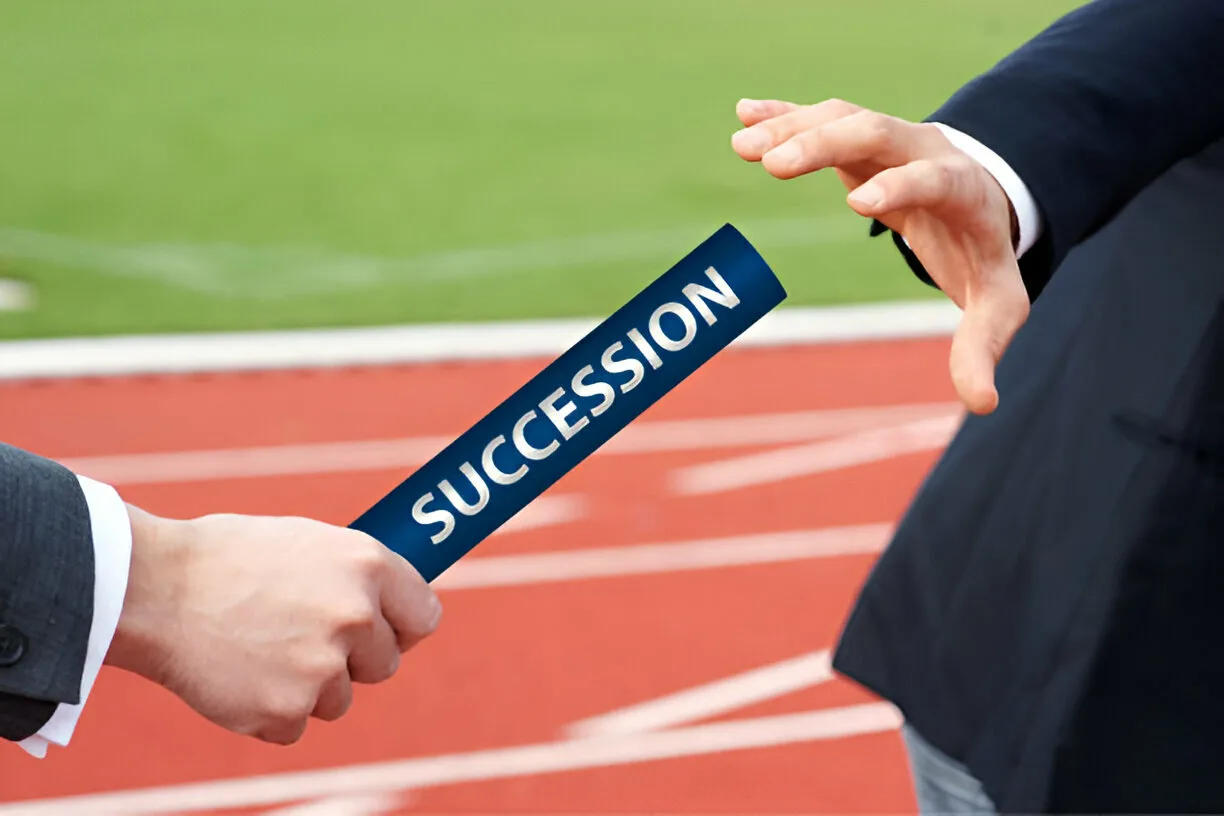
What Is a Succession Planning Assessment?
A succession planning assessment is a structured process for evaluating whether employees have the competencies, judgement, potential and readiness required to assume important roles in the future.
It considers current performance and future role requirements using leadership simulations, structured interviews, psychometric assessments, business case studies and stakeholder feedback.
The purpose is to replace subjective assumptions with reliable evidence that informs succession decisions, targeted development and leadership continuity.

Why Succession Plans Often Depend on Assumptions
Many organisations have succession plans, but fewer can clearly explain the evidence behind the people listed.
A candidate may be selected because of strong results, long service or a positive relationship with senior leaders. However, these factors do not necessarily demonstrate strategic judgement, people leadership or the ability to handle greater pressure.
Without a succession planning assessment, organisations risk confusing visibility with capability, experience with readiness and confidence with leadership potential.
This can create a leadership pipeline that appears strong until a critical appointment needs to be made.
What Should a Succession Planning Assessment Measure?
A credible succession planning assessment should evaluate the capabilities required for the future role rather than simply review achievements in the current one.
The relevant measures depend on the position.
1. Role Readiness
Readiness shows whether someone could step into a target role now, after focused development or over a longer period.
This requires a clear understanding of the role’s responsibilities and an objective comparison between those requirements and the candidate’s demonstrated capabilities.
A leadership readiness assessment should also identify gaps that could affect performance if the individual were promoted prematurely.
2. Leadership Potential
Leadership potential reflects someone’s capacity to grow into responsibilities they have not yet performed.
Indicators may include learning agility, sound judgement, adaptability, emotional intelligence and the ability to influence others.
A succession planning assessment should distinguish individuals who are effective in their present role from those who can succeed when expectations become broader and more complex.
3. Strategic Thinking
Future leaders need to understand how decisions affect the wider organisation, not only their immediate team or department.
Business simulations and case studies can reveal whether candidates recognise competing priorities, anticipate consequences and connect decisions to organisational objectives.
These exercises are particularly valuable when assessing potential successors for senior management or executive positions.
4. Ability to Lead Others
Higher leadership roles require individuals to achieve results through other people.
This involves delegation, coaching, managing conflict, building trust and responding constructively to different perspectives.
A structured succession planning assessment can use role plays, group exercises and stakeholder feedback to evaluate whether candidates demonstrate these behaviours in realistic situations.
5. Decision Making Under Pressure
Leadership transitions often place individuals in unfamiliar situations where information is incomplete and the consequences of decisions are significant.
Assessments should explore how candidates prioritise, respond to uncertainty and justify their choices.
This offers more insight than reviewing performance in a less demanding role.
How Can Organisations Assess Future Leaders Objectively?
Objective leadership assessment begins with a clear definition of the target role and the competencies required for success.
Organisations should then use several assessment methods to evaluate each candidate against the same criteria. Combining evidence from different exercises reduces reliance on individual opinions and creates a more balanced picture of readiness.
An effective succession planning assessment may include competency based interviews, leadership simulations, psychometric tools, business presentations and structured feedback.
Workforce’s guidance on identifying leadership potential explains how organisations can gather additional insight into leadership behaviour and development needs.
How Do You Identify Succession Risks?
A succession plan should highlight vulnerabilities as clearly as it identifies possible future leaders.
These risks may include critical roles without identified successors, candidates who appear promising but are not ready, overdependence on one individual or development plans that are too broad to close specific capability gaps.
A succession planning assessment helps organisations identify where leadership continuity is at risk and which interventions require immediate attention.
This allows decision makers to prioritise critical roles, strengthen development plans and avoid rushed appointments when a leadership vacancy arises.
Turn Assessment Findings Into Development Action
Assessment only creates value when its findings inform practical decisions.
If a potential successor lacks strategic exposure, their development plan may include involvement in cross functional projects. Someone who struggles with people leadership may benefit from coaching, team management assignments or structured feedback.
The results of a succession planning assessment should connect each identified gap to a relevant development action, timeframe and measure of progress.
This transforms succession planning from a list of names into a deliberate approach to building leadership capability.
What Should Organisations Look for in an Assessment Partner?
A strong provider should understand your business context, define role specific success criteria and use assessment methods suited to the leadership positions being considered.
Ask whether the provider can evaluate several candidates consistently, explain readiness levels and produce reports that support decisions by HR leaders, executives and boards.
The right succession planning assessment partner should also help translate findings into realistic development priorities and clearer succession timelines.
Avoid approaches that rely solely on personality questionnaires, generic scoring or informal managerial recommendations.
Build a Succession Plan Based on Evidence
Workforce Resourcing helps organisations identify critical roles, assess future leaders and strengthen leadership continuity through its succession planning services.
Our approach combines role relevant assessment, practical readiness insights and targeted development recommendations, giving decision makers greater confidence in their leadership pipeline.
If you need help designing a succession planning assessment that identifies genuine readiness and reduces leadership risk, contact us at hello@workforcegroup.com to discuss your organisation’s succession priorities.
For more insights on succession planning, leadership readiness and talent assessment, follow us on LinkedIn.